Sunday, November 13, 2022 2:00 PM – 5:00 PM
SC1 SC1: Developability of Bispecific Antibodies: Formats and Applications
Bispecific antibodies are a rapidly growing and clinically validated class of antibodies with marketed drugs and multiple candidates in clinical trials. Targeting multiple antigens in a synergistic manner can confer enhanced therapeutic benefits and potentially uncover novel biological mechanisms. However, multiple formats and a tedious candidate selection process to select functional and developable bispecific antibodies make such programs cumbersome. This short course highlights the rapid growth in the field, therapeutic applications, and it focuses on challenges with discovery and development of bispecific antibodies. We will use an approved bispecific antibody as a case study to understand the varied aspects of discovery and development of bispecific antibody programs.
Developability of Bispecific Antibodies: Formats and Applications
Nimish Gera, PhD, Founder and Principal Consultant, MABS R US Consulting
TOPICS TO BE COVERED INCLUDE
- Introduction to bispecifics and bispecific formats
- Therapeutic applications of bispecific antibodies
- Developability of bispecifics
- Case study: Discovery and development of an FDA approved bispecific antibody​​
INSTRUCTOR BIOGRAPHY:
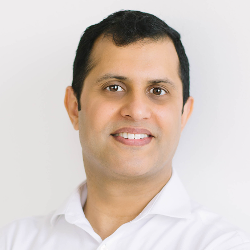 Nimish Gera, PhD, Founder and Principal Consultant, MABS R US Consulting
Nimish Gera is an independent consultant and biotech executive with broad experience across antibody-based modalities including mono- and bispecific antibodies, protein fusions, and antibody-drug conjugates (ADCs) across several therapeutic areas such as oncology, immunology, autoimmune, and rare diseases. He has held scientific and/or leadership roles at companies ranging from early-stage startups like Mythic Therapeutics and Oncobiologics to large organizations such as Alexion Pharmaceuticals and Genentech. With more than fifteen years in drug development, Nimish has successfully advanced complex bispecific and ADC programs from concept through preclinical and early clinical stages. He serves as Associate Editor of the journal mAbs, hosts the Chain Protein Engineering podcast, and teaches the Developability of Bispecific Antibodies short course at the PEGS Boston and Europe conferences. Nimish has a proven track record of bringing multiple drug candidates to clinical trials, publishing peer-reviewed articles, building IP portfolios, and chairing national and international meetings on antibody therapeutics. He holds a PhD in Chemical and Biomolecular Engineering from North Carolina State University and a B.Tech in Chemical Engineering from the Indian Institute of Technology, Guwahati.
SC2 SC2: The Tumour Microenvironment and Response to Cancer Immunotherapy
The tumour microenvironment (TME) is a complex, dynamic environment containing tumour cells, extracellular matrix (ECM), cytokines, immune cells, and stromal cells. These cell populations interact and influence each other to help the tumour grow and suppress immune responses. As well as propagating tumour growth and spread, the TME may also influence the response to immunotherapy. In this short course, we will discuss the nature of the TME and the multiple ways in which it promotes an immunosuppressive environment. Opportunities to alter the TME in order to more effectively deliver immunotherapy will also be discussed. Finally, we will present and discuss emerging therapeutic approaches and consider how they might be used to enhance patient outcomes.
The Tumour Microenvironment and Response to Cancer Immunotherapy
Stephen A. Beers, PhD, Professor of Immunology & Immunotherapy, University of Southampton
ABOUT THIS COURSE:
The tumour microenvironment (TME) is a complex, dynamic environment containing tumour cells, extracellular matrix (ECM), cytokines, immune cells, and stromal cells. These cell populations interact and influence each other to help the tumour grow and suppress immune responses. As well as propagating tumour growth and spread, the TME may also influence the response to immunotherapy. In this short course, we will discuss the nature of the TME and the multiple ways in which it promotes an immunosuppressive environment. Opportunities to alter the TME in order to more effectively deliver immunotherapy will also be discussed. Finally, we will present and discuss emerging therapeutic approaches and consider how they might be used to enhance patient outcomes.
WHAT YOU WILL LEARN:
- Determinants of immunologically ‘hot’ and ‘cold’ TME
- Factors influencing immunosuppression in the TME
- Barriers to T cell entry
- Altering the TME to improve response to immunotherapies
- Limitations of current IO approaches
- Developing strategies and New Horizons – Immunocytokines, T cell therapies, innate immune approaches, targeting FcγRs​
INSTRUCTOR BIOGRAPHIES:
 Björn L. Frendeus, PhD, CSO, BioInvent International AB
Björn Frendéus is the CSO of BioInvent, a Swedish Biotech developing antibody-based treatments for cancer immunotherapy. Björn got his PhD studying innate immune responses to microbial infection. Over the past decades, he has developed a strong interest in understanding the complex biology of antibodies in relation to their targets, and applying his knowledge to develop better antibody-based medicines. Björn’s team conceived and developed the F.I.R.S.T platform from which BioInvent’s current pipeline has emerged. This includes the Company’s proprietary clinical-stage anti-FcgRIIB (BI-1206 and BI-1607) and anti-TNFR2 programs (BI-1808), BT-001 – a clinical-stage oncovirally encoded Treg depleting anti-CTLA-4 antibody co-developed with French vaccine company Transgene, and F.I.R.S.T TAM that BioInvent recently partnered with Pfizer on to develop novel antibodies and targets to tumor-associated myeloid cells with the aim to overcome resistance in the tumor microenvironment. BioInvent is closely collaborating on several of its programs with the Cancer Sciences Division in Southampton, UK, where Björn is a visiting professor. Björn chairs the Swedish Foundation for Strategic Research (SSF)’s expert review committee on Infection Biology.
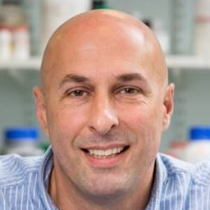 Stephen A. Beers, PhD, Professor of Immunology & Immunotherapy, University of Southampton
Stephen Beers is Professor of Immunology and Immunotherapy at the Centre for Cancer Immunology, University of Southampton. He leads a research group studying antibody drugs and their mechanisms of action. The group’s research is currently focussed on two main areas: 1) the mechanisms of action of immunomodulatory mAb, and 2) how the tumour microenvironment affects antibody effector function and how this might be manipulated to enhance patient outcomes. Their work utilises a portfolio of complimentary models incorporating in vitro 3D modelling, appropriate in vivo model systems and primary clinical material.
SC3 SC3: Use and Troubleshooting of Eukaryotic Expression Systems
Eukaryotic expression systems are extensively used for the generation of recombinant proteins thereby becoming an essential protein engineering tool. The choice of a suitable eukaryotic expression system depends mainly on the biological and biochemical properties of an individual protein. The course will focus on both the insect and mammalian expression systems, which have demonstrated the ability to express complex proteins for a wide variety of applications. We will discuss the concepts, uses, and optimization of these systems along with sharing experimental troubleshooting lessons learned. The course combines instruction and case studies in an interactive environment.
Richard Altman, MS, Field Application Scientist, Thomson Instrument Company
2:00 PM Opening Remarks
INSTRUCTOR BIOGRAPHIES:
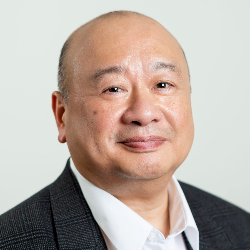 Henry C. Chiou, PhD, retired Senior Director General Manager, Biosciences, Thermo Fisher Scientific
Henry Chiou recently retired as Senior Director and General Manager for the Delivery and Protein Expression business within Biosciences at Thermo Fisher Scientific. Spanning 30+ years, he and his teams have developed products such as the Expi family of 293, CHO and Sf9-based expression systems, Lipofectamine 3000, and other Lipofectamine-family transfection reagents, production systems for cell and gene therapy viral vectors such as AAV MAX system, Neon and Neon NxT electroporation instruments and most recently, a panel of high performance, low toxicity LNP lipid reagents. Henry has authored multiple publications on mammalian transient expression and frequently teaches courses and lectures on this subject. Prior to joining Thermo Fisher, Henry worked in small to mid-sized biotech companies on non-viral gene therapy. Henry received his doctorate from Harvard University in Molecular Pharmacology, following which he completed a postdoctoral fellowship in viral expression systems at the University of Pennsylvania.
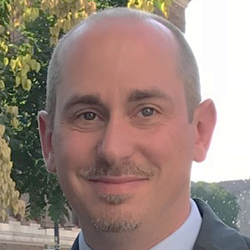 Kenneth Thompson, PhD, Manager, R&D Cell Biology, Thermo Fisher Scientific
Ken Thompson, PhD is an R&D Manager within the Cell Biology business unit at Thermo Fisher Scientific. In his current role, he leads a team of scientists focused on using insect cells as factories for the production of proteins and viral vectors. Ken also leads the upstream and downstream process development team, which focuses on generation of key application data and protocols for production and purification of biologics using Thermo Fisher Scientific production systems. Ken is highly trained in molecular and biochemical techniques and has experience with analytical assay development. Prior to joining Thermo Fisher, he spent four years at the University of Florida where he studied the role of chromatin remodeling factors in cancer. Ken has a BS in Biological Sciences and a PhD in Molecular and Cellular Biology from the University of Maryland Baltimore County.
 Richard Altman, MS, Field Application Scientist, Thomson Instrument Company
Rich Altman has 38 years of experience in protein expression and production. In 2025, he joined Thomson Instrument Company as a Field Application Scientist supporting protein production workflows. Before joining Thomson, Rich served in a similar role at Thermo Fisher Scientific supporting protein expression scientists. Before his Field Application Scientist roles, he worked at several pharmaceutical companies, including Amgen, Alexion, Bayer, and Upjohn, on the cloning, expression, purification, and characterization of recombinant proteins. This work supported both small-molecule high-throughput screening and protein therapeutic efforts. He received his MS degree from the University of Pittsburgh School of Medicine in the Department of Molecular Biology and Biochemistry.
SC4 SC4: Potency Assays and Comparability for Cell & Gene Therapies
Potency assays are an essential concept in determining the quality of any biological medicinal product/biologic. Extending this concept to cell, gene and tissue products is more challenging and often the most difficult aspect of characterising these products. The relevance of the approach taken is often challenged by regulators both during development and when seeking market approval.
Change is inevitable and necessary both in development and over the post-approval product lifecycle. Whenever changes are made it is necessary to confirm they do not adversely impact the quality and therefore safety and efficacy of the product; this requires data beyond meeting current specifications. With any biological product, this is challenging, for cell, gene, and tissue products that cannot be fully characterised the challenges are greater still. Any development program should therefore aim to ensure the tools are in place to allow changes to be implemented. How characterisation and process development provides these tools will be discussed.
Potency Assays and Comparability for Cell & Gene Therapies
Christopher Bravery, PhD, Consulting Regulatory Scientist, Advanced Biologicals Ltd.
ABOUT THIS COURSE:
Potency assays are an essential concept in determining the quality of any biological medicinal product/biologic. Extending this concept to cell, gene and tissue products is more challenging and often the most difficult aspect of characterising these products. The relevance of the approach taken is often challenged by regulators both during development and when seeking market approval. Â
Change is inevitable and necessary both in development and over the post-approval product lifecycle. Whenever changes are made it is necessary to confirm they do not adversely impact the quality and therefore safety and efficacy of the product; this requires data beyond meeting current specifications. With any biological product, this is challenging, for cell, gene, and tissue products that cannot be fully characterised the challenges are greater still. Any development program should therefore aim to ensure the tools are in place to allow changes to be implemented. How characterisation and process development provides these tools will be discussed.
Who Should Attend?
Anyone involved in manufacturing, quality control, quality assurance, regulatory and/or R&D, including scientists, managers, and directors, of cell gene or tissue products that are regulated as medicinal products, biologics, drugs, or similar. May prove useful for developers of other complex biological medicinal products/biologics. This course is not intended for those who work in cell and tissue transplantation.
INSTRUCTOR BIOGRAPHY:
 Christopher Bravery, PhD, Consulting Regulatory Scientist, Advanced Biologicals Ltd.
Christopher founded Consulting on Advanced Biologicals Ltd. at the end of 2009, in order to focus his activities within the Regenerative Medicine sector. Advbiols Ltd. provides EU regulatory services to the regenerative medicine industry in addition to business and regulatory research and analysis to identify and focus on the real barriers to commercialisation of regenerative medicine. Christopher has a PhD in xenotranplantation immunology and spent 8 years in biotech (Imutran Ltd., a Novartis Pharma AG Co., and Intercytex) before joining the MHRA as a quality (CMC) assessor (biologicals and biotechnology unit). During this time, Christopher was involved with national implementation of the new Advanced Therapies Regulation and also involved through his participation in the CHMP’s cell products working party (CPWP) in implementation at the EMA level including drafting guidelines.
SC5 SC5: Machine Learning Tools for Protein Engineering
In silico prediction, engineering, and design are changing how large molecule drugs (proteins) will be discovered, designed, and optimized. However, these tools are still in their early development, and much needs to be learned on how to adapt them for use in, e.g., antibody and vaccine discovery, training, prediction, developability, simulation, and optimization. This short course highlights the rapid growth and availability of machine learning techniques and tools for protein engineering, focusing specifically on advances, opportunities, and challenges. As a case study, we will work through recent high-profile publications in the AI protein engineering field to understand how machine learning can guide the in silico discovery and subsequent experimental validation of novel protein designs.
Machine Learning Tools for Protein Engineering
Victor Greiff, PhD, Professor, University of Oslo; CTO, IMPRINT
Â
TOPICS TO BE COVERED INCLUDE
- Brief introduction to topic-relevant machine learning techniques
- Overview of machine learning tools for protein engineering
- Current challenges in computational protein engineering
- Case study: From machine learning prediction to experimental validation
INSTRUCTOR BIOGRAPHY:
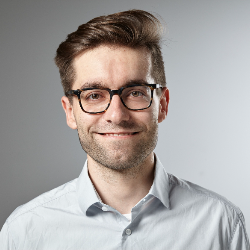 Victor Greiff, PhD, Professor, University of Oslo; CTO, IMPRINT
Dr. Victor Greiff is Associate Professor for Computational and Systems Immunology at the University of Oslo. His work focuses specifically on the development of machine learning, computational and experimental tools for the analysis, prediction and engineering of adaptive immune receptor repertoires.